Astros Aren’t at a Crossroads — They’re Reloading
The Houston Astros are being labeled a team at a crossroads entering 2026. But a closer look at the lineup, rotation, and bullpen tells a very different story.

The internet loves declaring dynasties dead.
Every time the Houston Astros lose a key player, every time they finish with fewer than 100 wins, someone somewhere writes the same story: this is the end.
The latest version comes from The Big Lead, which argues the Astros are entering a “crossroads” season in 2026 — not a juggernaut anymore, but not rebuilding either.
That sounds dramatic.
It also misunderstands what the Astros have actually been doing for the past decade.
Houston isn’t at a crossroads.
They’re doing what they’ve always done: reload while everyone else panics.
The Astros’ Lineup Is Still Built to Hurt Teams
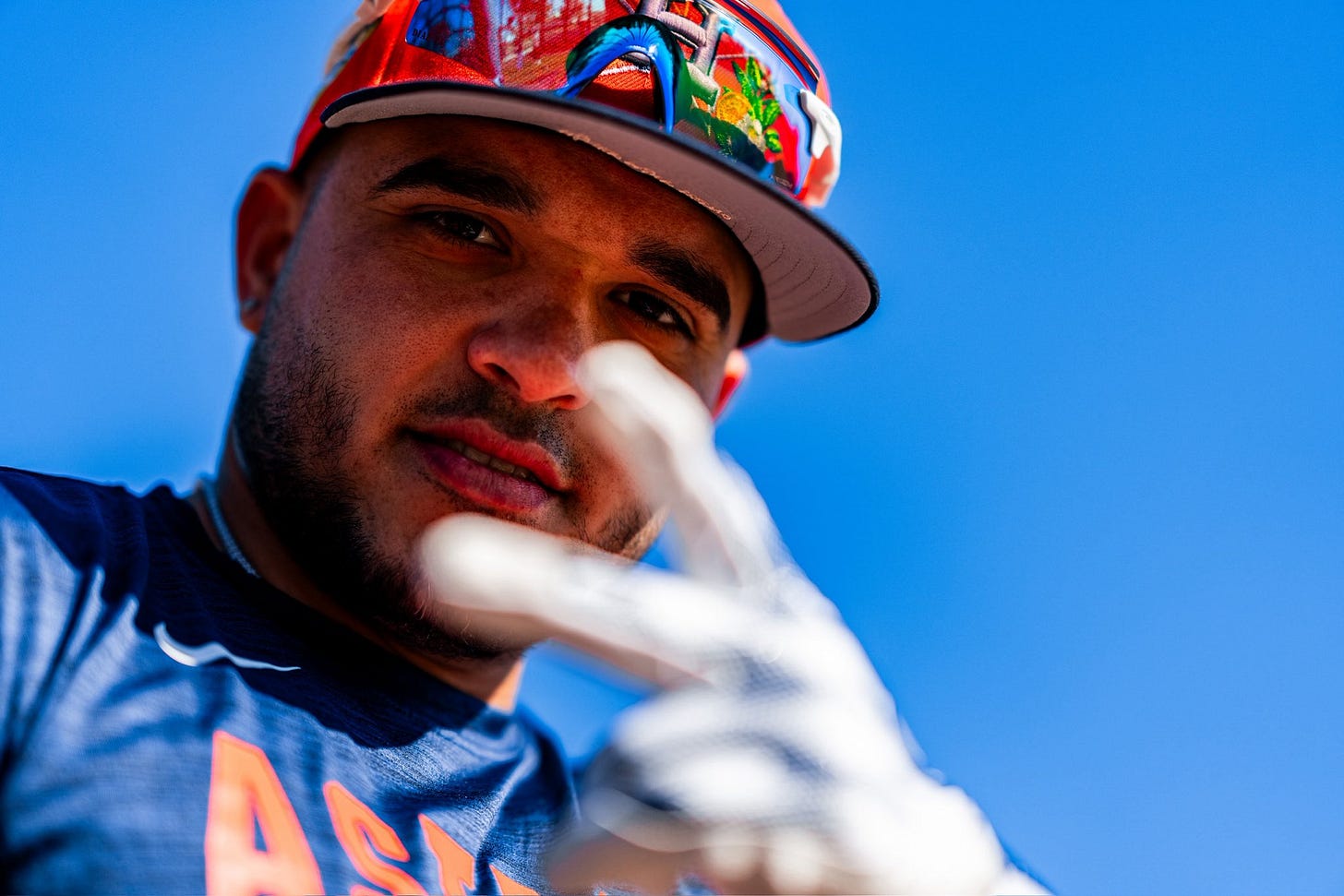
The Big Lead article frames the Astros’ lineup as a group hoping for bounce-backs.
That’s technically true. But the word bounce-back makes it sound like this offense suddenly forgot how to hit.
It didn’t.
Yordan Alvarez is still one of the most terrifying hitters in baseball when healthy. Pitchers know it. Managers know it. Opposing fan bases definitely know it.
Jeremy Peña continues to provide the athleticism and energy at the top of the lineup that this team thrives on. He brings power, speed, and postseason experience that most leadoff hitters don’t have.
Then there’s Carlos Correa, who returned to Houston and immediately stabilized the middle of the order.
Christian Walker and Yainer Díaz having “down years” doesn’t mean they’re finished. If anything, it suggests the Astros’ lineup could easily outperform expectations if even two of those bats rebound.
And historically, that’s exactly what happens with Houston.
They find production where other teams see decline.
That’s been their formula for nearly a decade.

The Rotation Is the Real Story
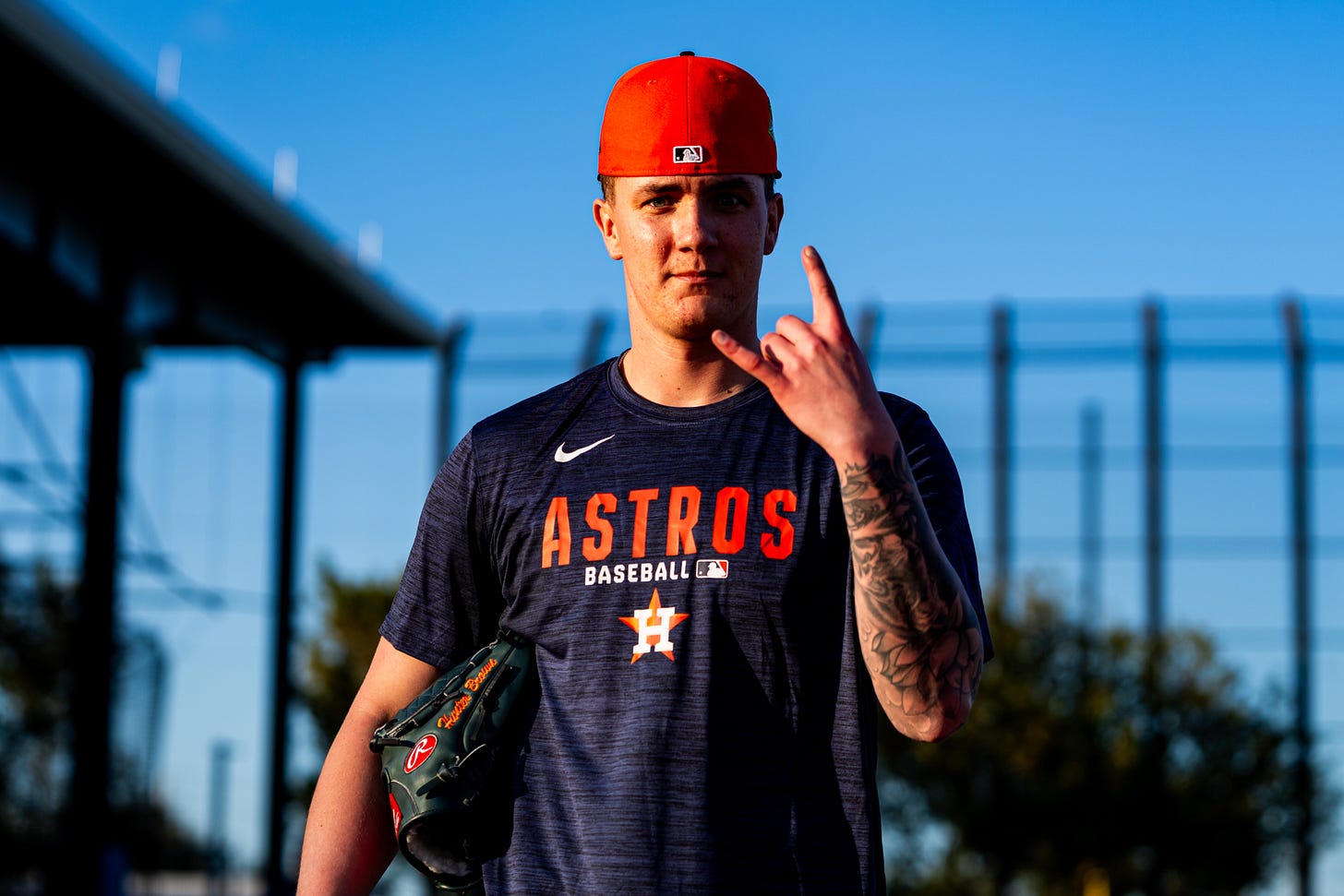
Where the Big Lead article gets more interesting is the rotation discussion.
Hunter Brown has officially stepped into the ace role after his breakout 2025 season. That development quietly changed the trajectory of the Astros’ pitching staff.
For years, Houston relied on veteran aces.
Now the torch has passed.
Behind Brown, the Astros are betting on upside.
Christian Javier returns after injuries disrupted his momentum. If he looks anything like the pitcher who dominated in October during previous postseason runs, Houston suddenly has a very dangerous top two.
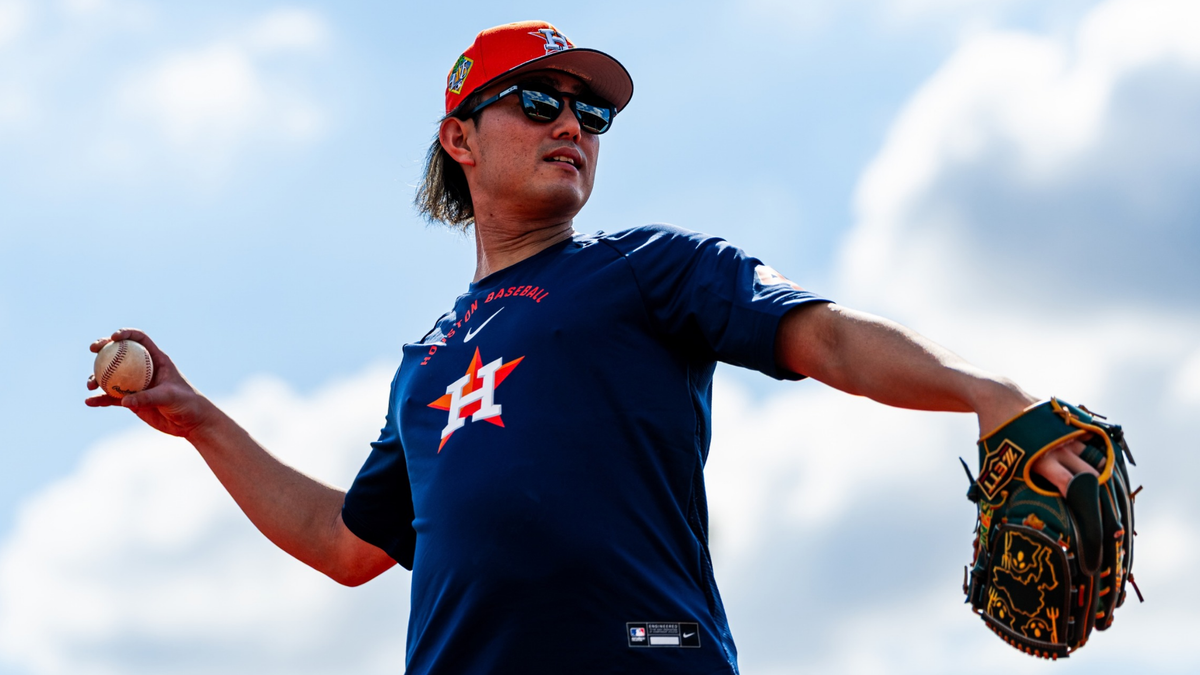
Then there’s the wild card: Tatsuya Imai.
Any time an elite pitcher arrives from Japan, the intrigue level skyrockets. Astros fans have every reason to be excited about what he could bring to the rotation.
Spencer Arrighetti, Lance McCullers Jr., and Mike Burrows, rounding out the depth, mean Houston isn’t scrambling for innings.
They’re stacking options.
That’s not a rebuilding rotation.
That’s a contender’s rotation.
The Bullpen Might Still Be Elite
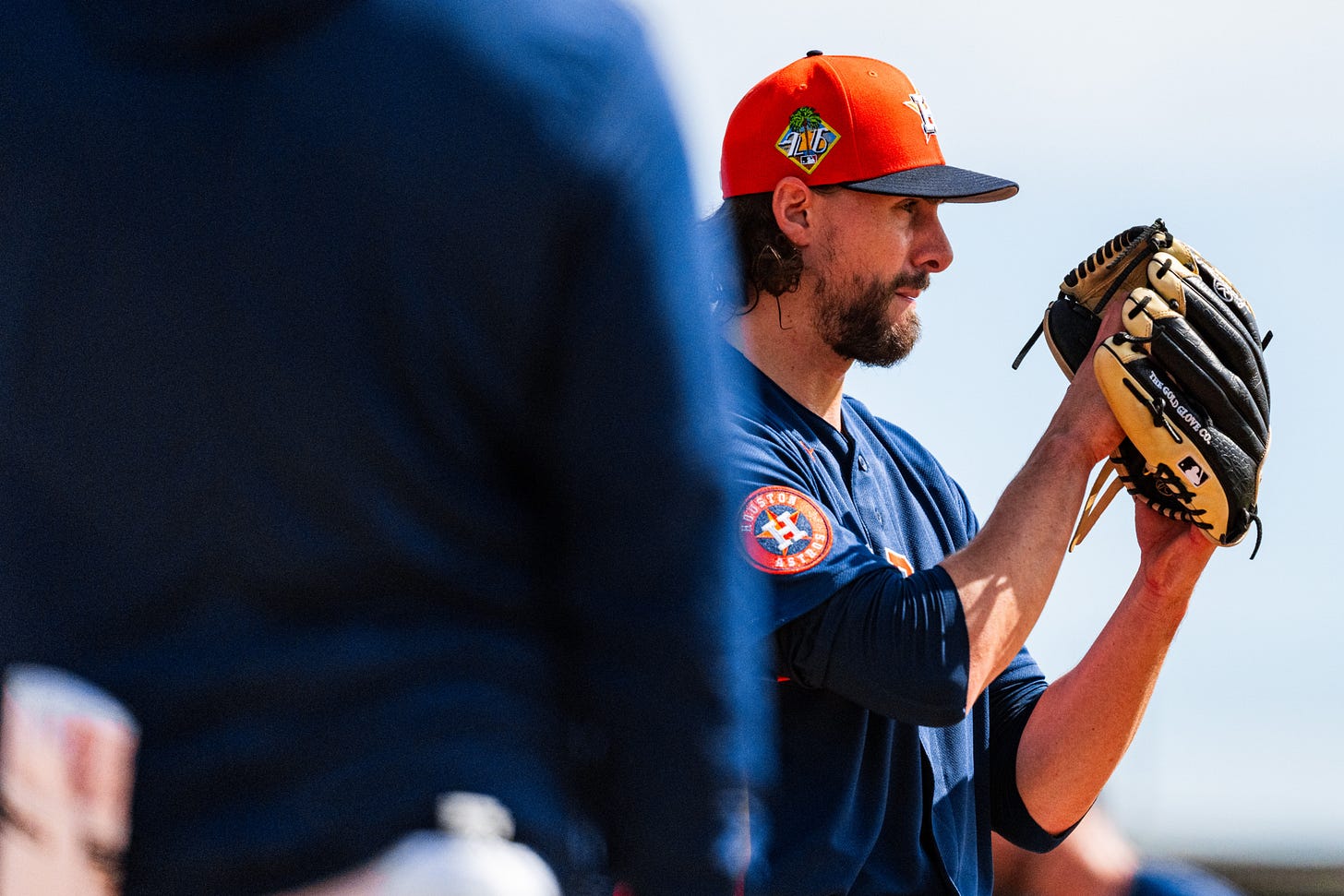
If there’s one legitimate concern on the roster, it’s Josh Hader’s health.
The Astros signed him to shut games down in the ninth inning, and when healthy, he’s still one of the most dominant closers in baseball.
But even if Hader misses time, Houston isn’t exactly unprepared.
Bryan Abreu has already proven he can handle high-leverage situations. Bryan King and Steven Okert give the bullpen left-handed balance. Enyel De Los Santos adds depth in the middle innings.
Most teams panic when their closer goes down.
The Astros just moved another weapon into the role.
That’s what roster depth looks like.

Baseball season means one thing: you’ve got at least three weddings coming.
Before you panic-buy an overpriced suit you’ll wear once, check out JJ’s House. They’ve got affordable men’s formalwear, tailored options, and color choices that actually match the bridal party (so you don’t look like you showed up to the wrong team).
Look sharp. Spend smart.
The “Crossroads” Narrative Doesn’t Fit Houston
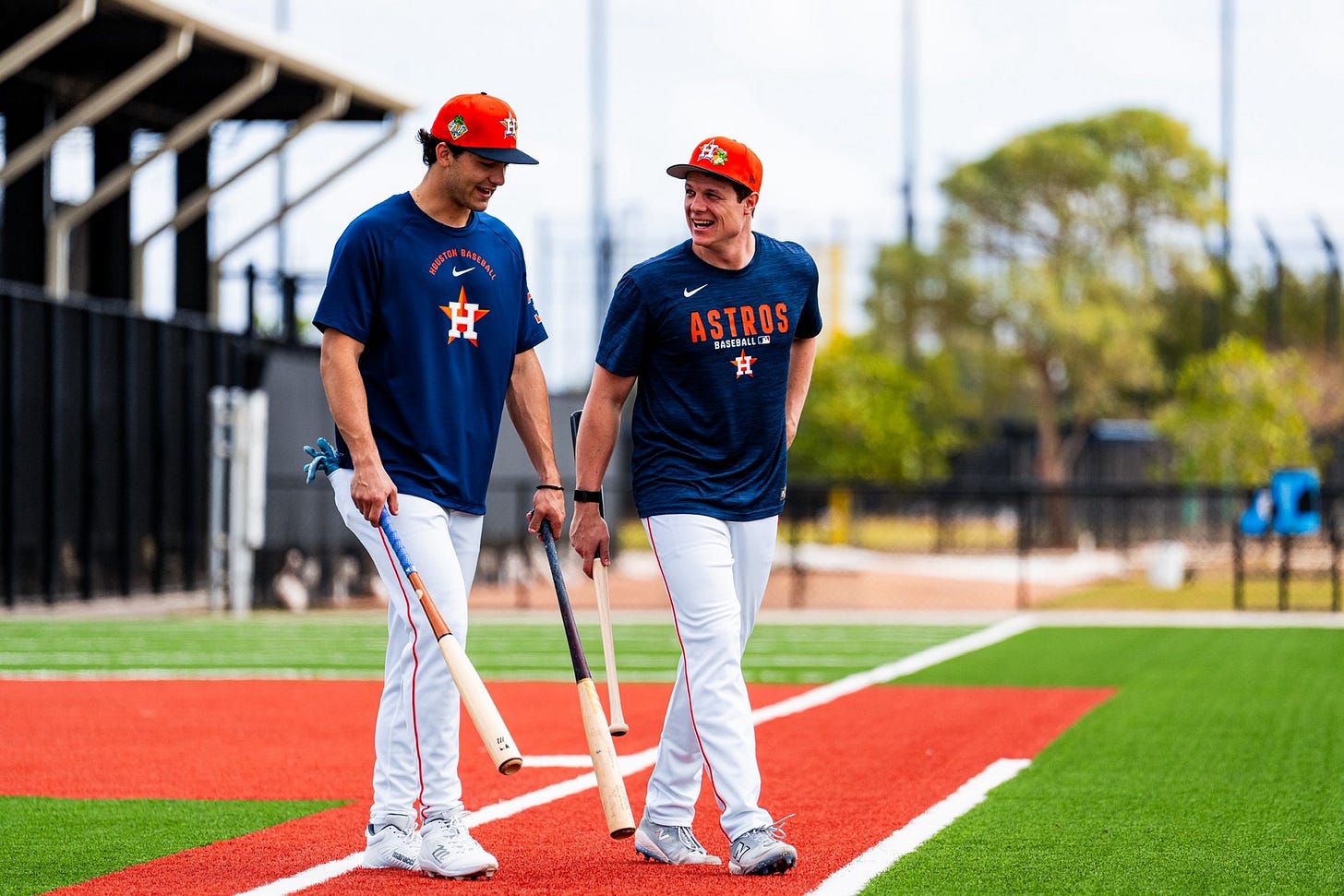
Calling the Astros a team at a crossroads assumes the window is closing.
But Houston has been hearing that narrative for years now.
And yet the results keep showing up.
New players emerge. Veterans bounce back. The front office finds another undervalued arm or hitter that suddenly becomes crucial.
This is the Astros’ cycle.
They don’t collapse.
They evolve.
So yes, the 2026 Astros look a little different than the team that dominated the American League for most of the 2010s.
But different doesn’t mean finished.
If anything, it means Houston is entering the next phase of the same formula that has kept them relevant longer than almost any team in baseball.
And if history tells us anything, writing off the Astros is usually the first mistake.
Join the Rundown community — free. Jump into the discussion, react to our stories, and connect directly with writers and fellow fans.
Baseball is better when everyone’s in it.