MLBPA Shakeup: What Tony Clark’s Exit Means for 2027
Tony Clark resigns as MLBPA executive director just months before the CBA expires. Is another MLB lockout looming?

Baseball didn’t just lose a union executive.
It just lost its shield.
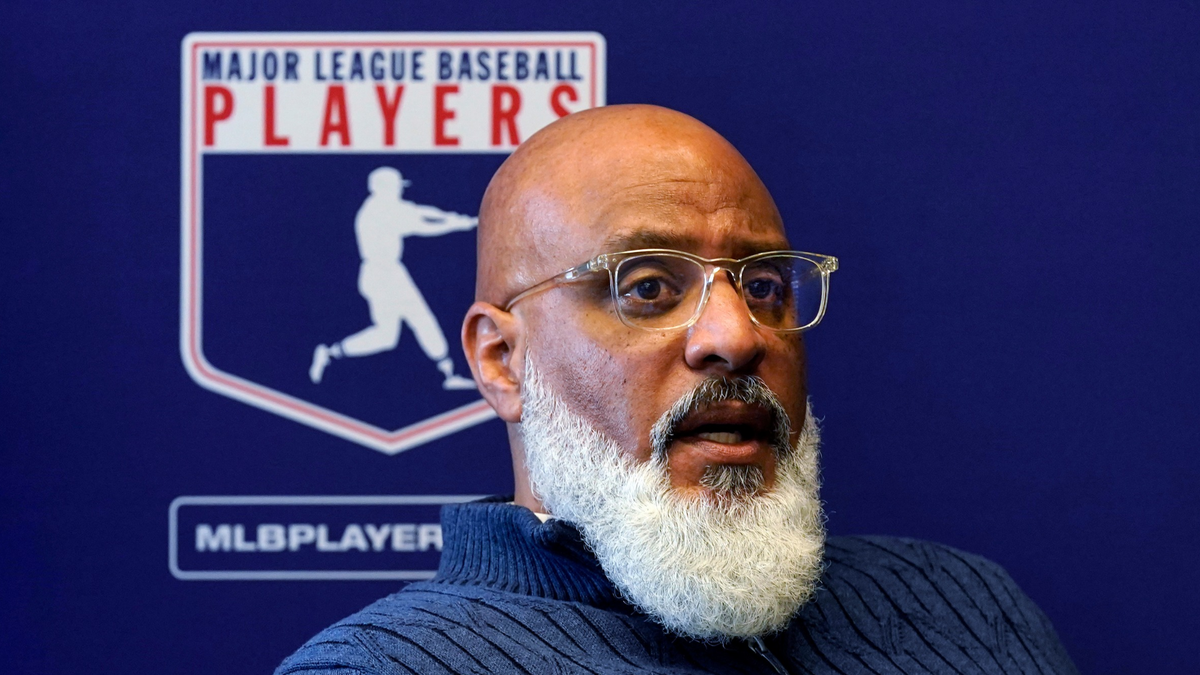
Tony Clark is stepping down as executive director of the MLB Players Association, according to multiple reports (including from Evan Drellich, Ken Rosenthal, and Andy McCullough of The Athletic), and the timing couldn’t be more combustible.
And now? The face of the union is walking out the door.
This isn’t just a front-office shuffle. This is tectonic.
Clark has led the MLBPA since 2013. He was the steady, player-first voice in every major labor fight of the past decade. He was openly anti–salary cap. Unapologetically protective of player leverage. In lockstep with Deputy Director Bruce Meyer during the last brutal negotiation cycle with Commissioner Rob Manfred and ownership.
Now he’s gone — reportedly tied to a federal investigation into licensing money and internal financial transparency.
Whether you think that’s politics, optics, or accountability, it doesn’t matter.
The result is the same: instability.
Statement from the MLBPA pic.twitter.com/ChYiihiV4f
— MLBPA (@MLBPA) February 18, 2026
The Worst Possible Timing
If Clark were stepping down two years ago, this would still be big news.
But nine months before a CBA expiration? That’s gasoline on a fire.
Let’s be real about what’s coming. Owners want cost control. Some have been increasingly vocal about pushing for a salary cap — something the MLBPA has rejected for decades. The players view a cap as a hard ceiling on earning power. Ownership sees it as competitive balance.
The last time these two sides went at it, the sport shut down for 99 days.
This time could be worse.
Because now the union doesn’t just have to prepare for negotiations. It has to solidify leadership. There are reports that an interim director is already in place and that there won’t be an external search for now. That signals urgency. Stability is the buzzword.
But “interim” and “stability” rarely coexist when billions of dollars are on the table.

What This Means for 2027
Here’s the uncomfortable reality: the 2027 season is officially on the clock.
When a union leader steps down months before bargaining, it sends a message — whether intentional or not — that the power structure is shifting. Owners will test that. They always do.
If there’s perceived weakness at the top, expect ownership to push harder. Salary cap language will surface. Expanded revenue-sharing debates will get louder. Luxury tax reform will become central.
And players? They’ll have to decide how unified they are without the guy who’s been steering the ship for over a decade.
Veteran stars remember the 2022 lockout. Younger players are just starting to understand what’s at stake. If leadership wobbles, unity wobbles. And if unity wobbles, leverage disappears.
That’s how work stoppages happen.

Baseball season means one thing: you’ve got at least three weddings coming.
Before you panic-buy an overpriced suit you’ll wear once, check out JJ’s House. They’ve got affordable men’s formalwear, tailored options, and color choices that actually match the bridal party (so you don’t look like you showed up to the wrong team).
Look sharp. Spend smart.
The Bigger Picture
Clark’s tenure wasn’t perfect. There were critics. There were internal tensions. And now there are investigations tied to licensing money and business ventures.
But here’s what’s undeniable: he was consistent.
He was predictable in his anti-cap stance. Predictable in protecting player earnings. Predictable in pushing back on ownership narratives.
Predictability matters in labor wars.
Now baseball enters a phase of uncertainty.
And baseball hates uncertainty.
The league office will publicly downplay drama. The union will emphasize stability. Everyone will smile during spring training and say negotiations will be “productive.”
We’ve heard that before.
The clock is ticking. The money is massive. The egos are entrenched.
Tony Clark stepping down isn’t just a resignation.
It’s the first domino in what could be baseball’s next major fight.
And if you think this season feels tense, wait until next winter.
Join the Rundown community — free. Jump into the discussion, react to our stories, and connect directly with writers and fellow fans.
Baseball is better when everyone’s in it.