Orioles’ Starting Pitcher Fires Back at MLB Salary Cap Push
Orioles' pitcher, Chris Bassitt, rejects MLB salary cap push as lockout rumors grow, arguing parity isn’t the league’s real problem.

The luxury tax alarmists are back. The “competitive balance” crowd is foaming at the mouth. And right on cue, someone whispers the two words MLB owners have been dying to push for years: salary cap.
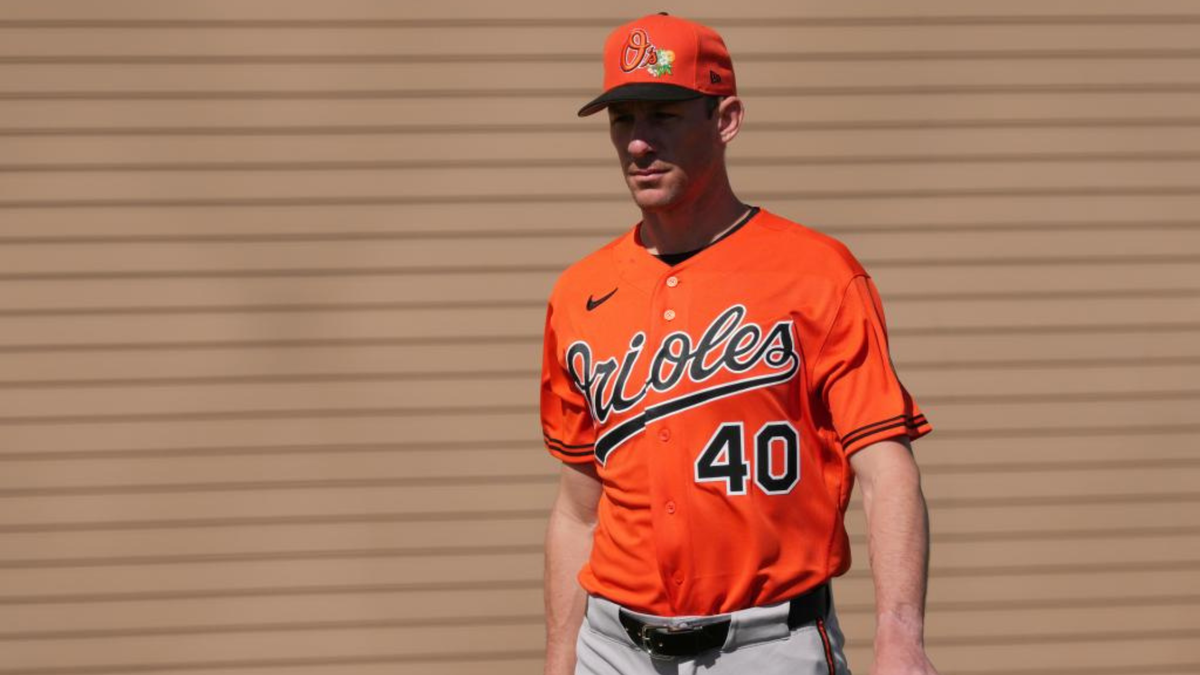
But according to Chris Bassitt, that idea? It’s a smokescreen.
As reported by the New York Post, Bassitt — now with the Baltimore Orioles on a one-year, $18.5 million deal — didn’t mince words about where he stands with the current CBA expiring after the 2026 season.
“The salary cap doesn’t fix anything,” he said.
And here’s the part that’s going to make certain owners uncomfortable: he might be right.
The Dodgers Are the Excuse — Not the Problem
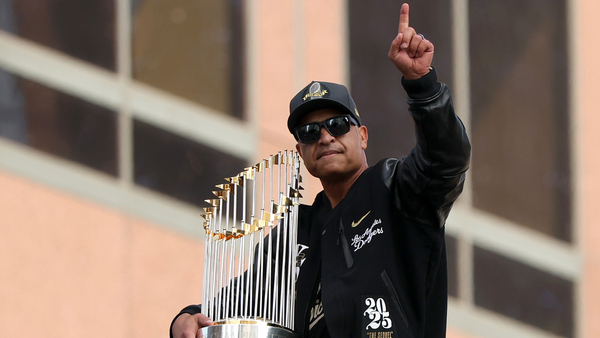
Every time the Los Angeles Dodgers sign another superstar — this winter it was Kyle Tucker on a $240 million contract — the same narrative gets recycled.
But let’s look at reality.
The Dodgers’ projected 2026 luxury tax payroll? Over $410 million. Bigger than the bottom four teams combined. And yet, MLB has seen 12 different World Series champions in the last 20 seasons. That’s more parity than the NFL, more than the NBA, more than the NHL.
Bassitt even pointed it out: if the Dodgers were headed to 10 World Series in 25 years and winning 7 of them, then sure — maybe you panic. But that hasn’t happened. Not even close.
MLB doesn’t have a parity crisis. It has a spending willpower crisis.
The real issue isn’t that big-market teams spend. It’s that some ownership groups don’t.
And a salary cap wouldn’t force them to.

Follow the Money, Not the Messaging
Here’s what Bassitt really cut through: suppressing salaries doesn’t magically make bottom-tier teams competitive.
A cap doesn’t guarantee investment. It guarantees limits.
Owners pushing for a cap are framing it as competitive balance reform. But players see it for what it is — a mechanism to control labor costs.
And now the timing couldn’t be more volatile.
With the CBA set to expire in December 2026, whispers of a lockout are already circulating. The MLBPA is in transition following Tony Clark's abrupt resignation amid controversy. On paper, that sounds like a weakness.
Bassitt doesn’t see it that way.
“Our strength is the players,” he said. “That hasn’t changed.”
That’s not just clubhouse talk. Bassitt sits on the union’s executive subcommittee. He’s not tweeting hot takes — he’s inside the negotiations.
Which makes his bluntness even more telling.

Baseball season means one thing: you’ve got at least three weddings coming.
Before you panic-buy an overpriced suit you’ll wear once, check out JJ’s House. They’ve got affordable men’s formalwear, tailored options, and color choices that actually match the bridal party (so you don’t look like you showed up to the wrong team).
Look sharp. Spend smart.
This Isn’t About Fairness — It’s About Leverage
If owners truly cared about parity, they’d raise the floor before lowering the ceiling.
They’d enforce meaningful minimum payroll thresholds. They’d penalize revenue-sharing recipients who pocket profits rather than reinvest. They’d address tanking in a structural way.
Instead, the loudest push is for a cap.
Because it’s cleaner.
Because it’s easier.
Because it protects margins.
Bassitt’s stance doesn’t guarantee there won’t be a lockout. In fact, it probably signals how heated this fight could become.
But what does it guarantee? Players aren’t buying the narrative.
The salary cap debate isn’t about saving baseball. It’s about reshaping who controls its money.
And if this becomes a war over economics in 2026, don’t say the warning signs weren’t there.
Chris Bassitt just made sure they were loud and clear.
Join the Rundown community — free. Jump into the discussion, react to our stories, and connect directly with writers and fellow fans.
Baseball is better when everyone’s in it.