Phillies Core Under Pressure as Dombrowski Faces Familiar Criticism
MLB insiders compare the Phillies to Dave Dombrowski’s collapsing Tigers, putting Bryce Harper and an aging $284M roster under massive 2026 pressure.

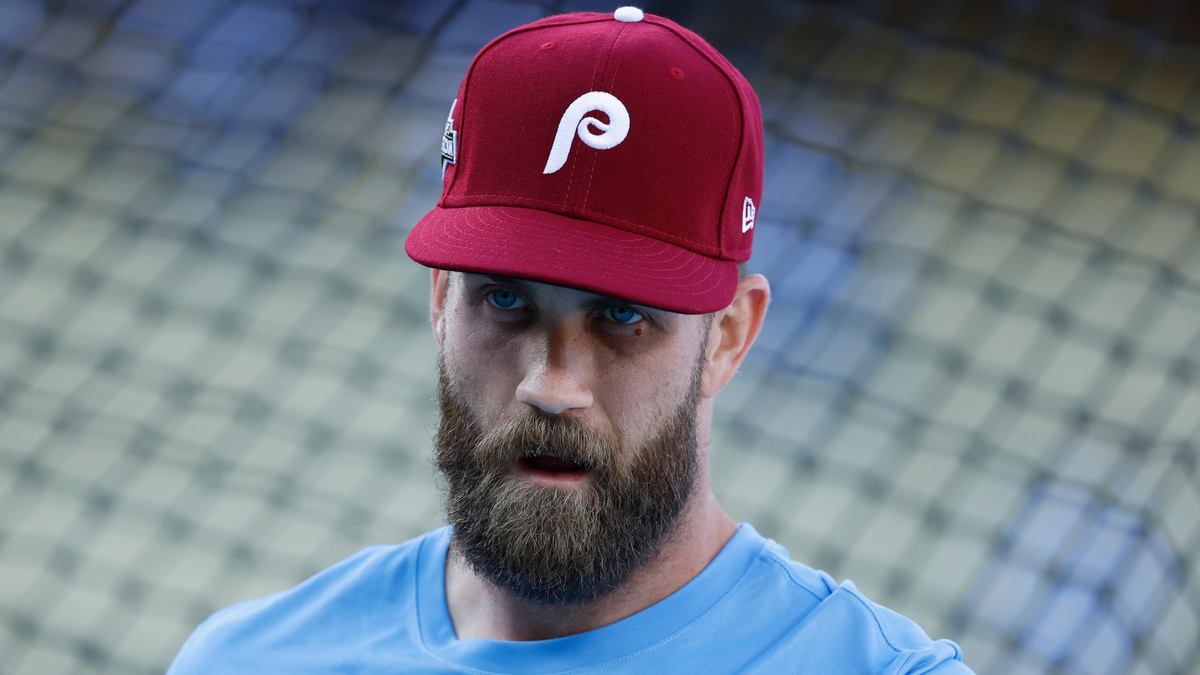
The Philadelphia Phillies just won the NL East. Again. Ninety-plus wins. Again. A roster stacked with stars. Again.
And yet here we are — with The Athletic reporting that MLB insiders are anonymously comparing this team to the aging, collapsing Tigers at the end of Dombrowski’s Detroit tenure.
What the hell is going on?
According to Jayson Stark’s survey of league executives, coaches, and evaluators, Harper and the Phillies’ core were voted the group under the most pressure entering 2026. One exec went nuclear, saying it “feels more and more” like the 2015 Tigers — the final year before Dombrowski was dismissed in Detroit.
That’s not subtle. That’s a warning shot.
The Tigers Comparison Isn’t Random
Dombrowski’s time with the Detroit Tigers ended with an expensive, aging roster that couldn’t keep up anymore. The star power was real — Miguel Cabrera, Ian Kinsler, Justin Verlander — but the window slammed shut fast.
Now look at Philadelphia.
Kyle Schwarber: 33 years old, five years, $150 million.
J.T. Realmuto: turning 35, three years, $45 million.
Ten highest-paid players? All over 30.
Projected payroll? Roughly $284 million.
This is a “we’re winning now” roster. Except they’re not. Not when it matters.
They lost the World Series in 2022. Fell in the NLCS in 2023. Now they’ve been bounced in the NLDS two straight years — including last season’s brutal exit against the Los Angeles Dodgers.
That’s not progression. That’s regression.
So when insiders start whispering “Tigers,” it’s not about Harper personally. It’s about organizational philosophy. It’s about whether Dombrowski is doubling down on loyalty to a core that might already be peaking in the rearview mirror.

Is This Really About Harper?
Let’s be honest: Harper is the lightning rod because he’s the face. The two-time MVP. The emotional heartbeat.
But what exactly did he do wrong?
He’s still producing. Still showing up in October. Still playing through pain. The Phillies’ playoff exits weren’t because Harper vanished. They were because the offense as a whole stalled, and the bullpen cracked at the worst possible moment.
So why does this feel like subtle criticism from the top?
Because when executives talk about a roster “getting older” and “they’ve spent the money — now it’s showtime,” that’s code for: there are no more excuses.
And Dombrowski built this. He extended it. He reinforced it. He bet on it.
If this thing collapses early again in October, the comparison to Detroit won’t just be narrative fuel — it’ll be reality.
The Phillies aren’t trending downward in the regular season. They’re still elite. But October is exposing something. Whether it’s fatigue, roster inflexibility, or simply variance, the pressure is no longer abstract.
It’s suffocating.
And if Philadelphia flames out again, it won’t just be Harper under the microscope.
It’ll be the architect.
Join the Rundown community — free. Jump into the discussion, react to our stories, and connect directly with writers and fellow fans.
Baseball is better when everyone’s in it.